Looking for a coolcation in Sweden – or searching for the best places for a cooler summer holiday in Scandinavia? If you searched for coolcation Sverige, this English-language guide covers the strongest Swedish summer options, including Gothenburg/Göteborg. Sweden combines long summer days, sea breezes, forests, lakes, islands and Arctic landscapes, making it a strong alternative to hotter European destinations. You can pair a city break in Gothenburg or Stockholm with island hopping, hiking and wild swimming, or head north to Swedish Lapland for the Midnight Sun and mountain scenery.
This guide focuses on five of Sweden’s best coolcation destinations – Gothenburg, the Stockholm Archipelago, Kiruna, Abisko and Visby – with practical advice on when to go, what each place suits and how to build them into a summer trip.
Why Sweden works so well for a coolcation
Sweden is especially appealing when you want a summer holiday built around fresh air and outdoor time rather than intense heat. Coastal destinations benefit from the Baltic and North Sea, while northern Sweden offers a much more Arctic feel. Above the Arctic Circle, the Midnight Sun creates exceptionally long days around midsummer, giving hikers and road trippers extra daylight for exploring.
For most summer coolcation trips, June to August is the easiest period for ferries, hiking, outdoor attractions and long daylight hours. Weather can still change quickly, so layers and a light waterproof jacket are more useful than packing only for warm conditions.
Quick guide – the best coolcation destinations in Sweden
– Gothenburg – best for a city-and-islands break with seafood, ferries and a relaxed west-coast atmosphere.
– Stockholm Archipelago – best for island hopping, kayaking, sailing and easy nature escapes from the capital.
– Kiruna – best for Arctic landscapes, Midnight Sun experiences and access to Swedish Lapland.
– Abisko – best for hiking, mountain scenery and outdoor travellers who want a cooler northern climate.
– Visby and Gotland – best for medieval history, Baltic beaches, cycling and a slower island trip.
1. Gothenburg – Sweden’s strongest city coolcation
If you are searching for coolcation Gothenburg or coolcation Göteborg, this is the Swedish destination to start with. Gothenburg gives you a genuine city break without forcing you to choose between urban sights and nature. The centre is easy to combine with the coast, and the city’s ferries open up the nearby archipelago for day trips.
The Gothenburg Archipelago is a major reason to visit in summer. The southern islands include car-free communities such as Styrsö and Brännö, while the northern archipelago generally feels quieter. A day can be as simple as taking a ferry, walking coastal paths, swimming from rocks or beaches and returning to the city for dinner.
Back in Gothenburg, combine the waterfront with neighbourhood cafés, the Gothenburg Botanical Garden and Liseberg if you are travelling with children or want a classic amusement-park day. The city also works well as the beginning of a west-coast road trip.
Best for – first-time visitors to Sweden, couples, families and travellers who want a balance of restaurants, culture and coastal nature.
2. Stockholm Archipelago – island hopping close to the capital
The Stockholm Archipelago spreads east of the capital and offers one of the easiest ways to turn a city trip into a nature-focused cool vacation. You can visit for a day or spend several nights moving between islands by ferry.
Vaxholm is a practical introduction because it combines a picturesque harbour with restaurants, historic character and straightforward connections from Stockholm. Travellers with more time can continue farther into the archipelago for quieter islands, kayaking, sailing and longer coastal walks.
The key to enjoying the archipelago is not trying to see too much. Choose one or two islands, check the return ferry timetable in advance and leave room for a slow lunch, a swim or an unplanned walk.
Best for – travellers who want Stockholm culture plus easy access to water, islands and outdoor activities.
3. Kiruna – an Arctic summer escape
Kiruna is one of the most distinctive cool places in Sweden for summer. Located far north in Swedish Lapland, it is a gateway to Arctic landscapes and long summer days. Around midsummer, the sun stays above the horizon in this part of Sweden, creating the Midnight Sun and making late-evening hikes feel completely different from a normal European summer trip.
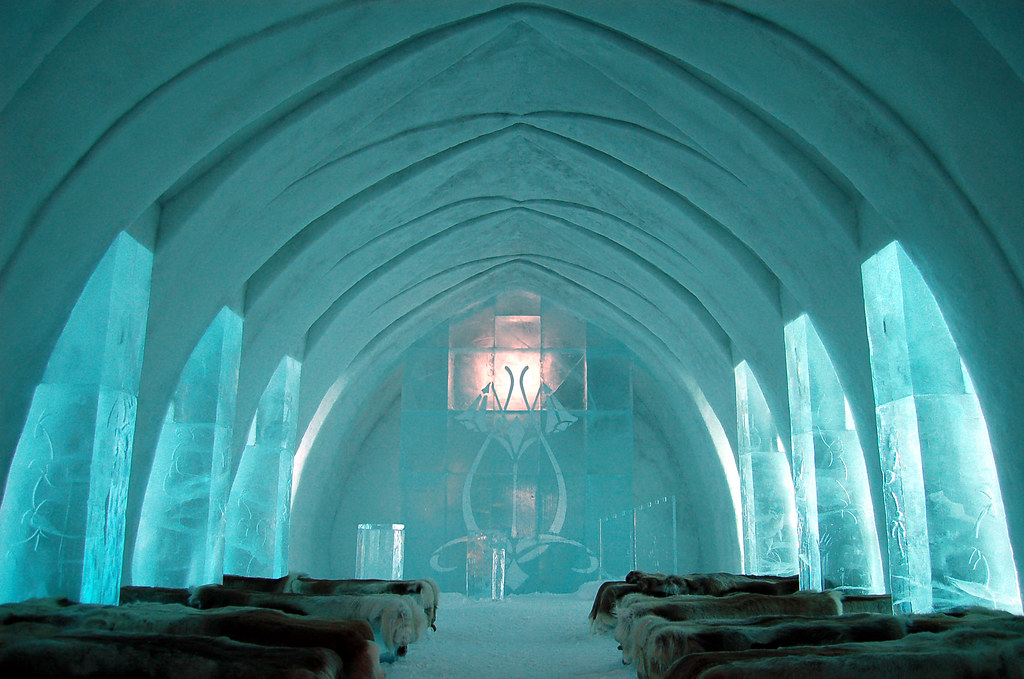
Summer is also the right season to see Kiruna as more than a Northern Lights destination. The aurora belongs to the darker part of the year, while June and July are about light, hiking and open landscapes. The famous Icehotel in nearby Jukkasjärvi is also part of the wider Kiruna experience, with year-round ice experiences alongside its seasonal winter sections.
Best for – travellers who want a dramatic temperature and scenery change from southern Europe, Arctic culture and a base for northern adventures.
4. Abisko – hiking under the Midnight Sun
Abisko is the more nature-focused choice in Swedish Lapland. Abisko National Park is known for mountain scenery and access to the Kungsleden trail, making it a strong destination for hikers who want long daylight hours and fresh northern air.
In summer, the main attraction is being outdoors rather than chasing the Northern Lights. Shorter walks make Abisko accessible to casual visitors, while experienced hikers can use the area as a starting point for longer routes. Conditions in the mountains can change quickly even in summer, so pack warm layers and rain protection.
Kiruna and Abisko combine naturally in the same trip, giving you a town base, Arctic rail scenery and a dedicated national-park stay without needing to cross large parts of Sweden.
Best for – hikers, photographers and travellers who want the clearest Arctic coolcation experience in Sweden.
5. Visby and Gotland – a cooler Baltic island break
Visby offers a completely different Swedish coolcation. The UNESCO-listed medieval town is the historic heart of Gotland, with stone walls, cobbled streets and easy access to the island’s coast. It suits travellers who want a slower holiday with history, cycling, beaches and sea air rather than mountain adventure.
Spend time inside Visby’s old town, then use the rest of Gotland for coastal drives, bike rides and swimming stops. Summer is the busiest season, so accommodation and ferries are worth booking early if you have fixed dates.
Best for – couples, history lovers, cyclists and anyone looking for an island holiday with more culture than a typical beach resort.
How to choose the right Swedish coolcation
Choose Gothenburg if you want the easiest mix of city life and islands. Choose the Stockholm Archipelago if the capital is already part of your trip. Choose Kiruna and Abisko if cooler Arctic conditions, hiking and the Midnight Sun matter most. Choose Visby if you prefer history, cycling and a Baltic island atmosphere.
For a first coolcation in Sweden, a practical one-week itinerary is three nights in Gothenburg with an archipelago day, followed by Stockholm and one or two nights in the Stockholm Archipelago. A longer 10-14 day trip can add an overnight train or flight north for Kiruna and Abisko.
Compare Sweden with other Nordic coolcation destinations
Sweden is a strong choice if you want city breaks, Baltic islands and Arctic landscapes in one trip. For lakes, sauna and a slower forest-based summer, compare our coolcation Finland guide. For fjords, mountains and Atlantic scenery, see our coolcation Norway guide. For glaciers, geothermal landscapes and a dedicated road trip, read our coolcation Iceland guide. You can also return to our coolcation travel guides hub to compare all four destinations.
Planning a Sweden coolcation in 2026
– Book peak summer transport early – island ferries, trains and popular accommodation can fill during the main holiday period.
– Pack layers – Sweden can still deliver warm summer afternoons, while evenings, coastlines and northern areas may feel much cooler.
– Plan around daylight – southern Sweden has very long summer days, while the far north experiences the Midnight Sun around midsummer.
– Use trains and ferries where they fit – Sweden is well suited to a lower-stress trip that mixes rail travel with local boats rather than driving everywhere.
– Check local conditions before outdoor trips – mountain weather, ferry schedules and trail conditions can change.
FAQ – coolcation Sweden
Is Sweden a good coolcation destination?
Yes. Sweden is especially strong for travellers who want a cooler-feeling summer built around coastlines, islands, forests and northern landscapes. It also gives you more variety than choosing a single beach resort because cities and nature are easy to combine.
Where should I go for a coolcation in Gothenburg?
Use Gothenburg as your base and add at least one archipelago day. Styrsö and Brännö are popular choices in the southern archipelago, while the northern islands can suit travellers looking for a quieter feel.
What is the best month to visit Sweden in summer?
June, July and August are the main summer travel months. June offers extremely long daylight and the Midnight Sun in the far north, July is peak holiday season, and August can be a good balance for travellers who still want summer conditions with a slightly later-season feel.
Can I combine Sweden with another Nordic coolcation?
Yes. Sweden works particularly well as part of a wider Nordic trip. Compare our guides to Finland’s best coolcation destinations, the best coolcation destinations in Norway and Iceland’s best coolcation spots before choosing your route.
Sweden is not just a place to escape heat – it is a destination where cooler summer travel can become the main experience. From Gothenburg’s ferries to Arctic hiking under the Midnight Sun, the country gives you several very different ways to plan a refreshing Nordic holiday.
Leave a Reply