A coolcation in Norway combines exactly what many summer travellers are looking for – fjords, mountains, sea air, long daylight and outdoor experiences without building the entire holiday around heat. Norway can still have warm summer days, especially in the south and inland, but its coastline, highlands and Arctic north give you many ways to plan a fresher-feeling European summer trip.
For a first Norway coolcation, five destinations stand out – Lofoten, Tromsø, Bergen, Geirangerfjord and Oslo. They cover the country’s strongest mix of Arctic scenery, fjords, hiking, culture and practical transport connections.
Why Norway is a strong summer coolcation destination
Norway’s geography creates very different summer experiences in one country. Coastal areas can feel fresh and breezy, mountain regions stay cooler, and Northern Norway gets extremely long days under the Midnight Sun. In June, July and August, hiking routes, ferries and fjord experiences are also at their most accessible.
The key is to choose the right region. Southern and eastern Norway can still become hot during settled summer weather, while the western fjords and Arctic north are usually the better fit if escaping heat is your main priority.
Quick guide – Norway’s best coolcation destinations
– Lofoten Islands – best for dramatic mountains, beaches, fishing villages and Arctic road trips.
– Tromsø – best for an easy Arctic city base, Midnight Sun experiences and northern excursions.
– Bergen – best for a walkable city break with direct access to fjords and mountains.
– Geirangerfjord – best for classic UNESCO-listed fjord scenery, waterfalls and viewpoints.
– Oslo – best for museums, urban waterfronts and a softer introduction to Norway before heading into nature.
1. Lofoten Islands – Norway’s most dramatic Arctic coolcation
The Lofoten Islands are one of Norway’s strongest answers to a summer coolcation. Jagged peaks rise directly from the sea, white-sand beaches sit beneath mountains and small fishing villages create natural stopping points for a road trip.
Summer brings the Midnight Sun, which changes the rhythm of travel. Instead of trying to squeeze hikes and viewpoints into a short daytime window, you can use the late evening for photography, beach walks or scenic drives. Reine and Henningsvær are popular bases, but the wider attraction is the landscape between them.
Lofoten rewards slower travel. Narrow roads, ferries, weather and popular trailheads can all add time, so it is better to spend several nights in the islands than try to rush through them.
Best for – photographers, hikers, road trippers and travellers who want the strongest Arctic scenery in this guide.
2. Tromsø – the easiest Arctic city break
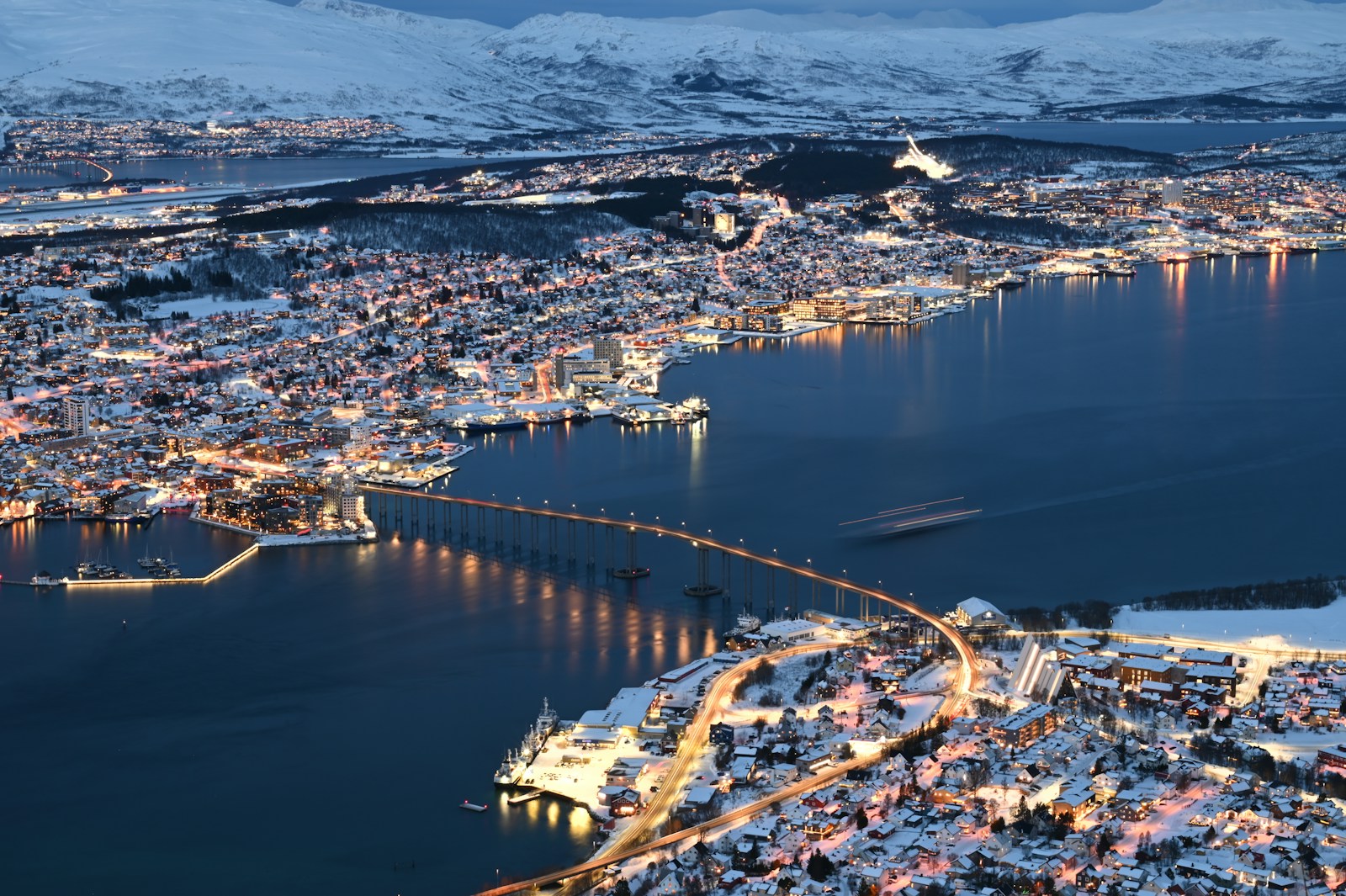
Tromsø is often associated with winter and Northern Lights tours, but in summer it becomes a very different destination. The city sits well north of the Arctic Circle and experiences the Midnight Sun, giving you long days for hiking, fjord trips and viewpoints.
Use Tromsø as a comfortable base if you want Arctic nature without moving accommodation every night. The Fjellheisen cable car gives a quick overview of the surrounding mountains and water, while day trips can take you farther into the region for hiking, wildlife and coastal scenery.
As with Finnish and Swedish Lapland, summer is not the season to plan around the aurora because the sky is too bright. The main attraction is the opposite – endless daylight and the freedom to stay outdoors late.
Best for – first-time Arctic visitors, shorter northern trips and travellers who want restaurants and city comforts alongside outdoor experiences.
3. Bergen – fjords, mountains and a compact city
Bergen is one of the easiest places to combine Norwegian city life with serious nature. The centre is compact, Bryggen provides the historic waterfront setting, and the surrounding mountains make it possible to add viewpoints or hikes without leaving the city region.
The biggest advantage for a coolcation is Bergen’s position in Fjord Norway. You can use the city as a base for excursions toward Sognefjord, Hardangerfjord or shorter fjord cruises. The Fløibanen funicular to Mount Fløyen is also an easy introduction to the city’s mountain setting.
Bergen’s coastal climate means rain is always possible, even in summer. Pack a waterproof layer and treat changeable weather as part of the destination rather than a reason to over-schedule indoor alternatives.
Best for – first-time Norway visitors, couples and travellers who want fjords without committing to a full road trip.
4. Geirangerfjord – the classic fjord coolcation
Geirangerfjord delivers the postcard version of Norway – steep mountainsides, deep water, waterfalls and high viewpoints. The fjord is part of the West Norwegian Fjords UNESCO World Heritage area and remains one of the country’s most recognisable summer landscapes.
A fjord cruise is the easiest way to understand the scale of the landscape, with waterfalls such as the Seven Sisters visible from the water. Road viewpoints around the area add a second perspective, while hikers can look for routes suited to their experience and the day’s conditions.
Summer is busy, so plan transport and accommodation before arrival. If you are driving, allow extra time for scenic roads, ferries and traffic rather than treating journey times like normal motorway travel.
Best for – first-time fjord visitors, scenic road trips and travellers who want dramatic landscapes with relatively accessible sightseeing.
5. Oslo – culture, waterfront and easy nature
Oslo is warmer than the Arctic north in summer, so it is not Norway’s coolest destination in a literal sense. It still works well as part of a coolcation because the city is built around the Oslofjord, parks, waterfront areas and easy access to forests and islands.
Spend time at the Oslo Opera House, the MUNCH museum, Vigeland’s sculpture installation in Frogner Park and the waterfront neighbourhoods. Local ferries can add a simple island outing without the logistics of a long-distance fjord trip.
Important 2026 update – the former Viking Ship Museum on Bygdøy is closed for rebuilding. It is scheduled to reopen in 2027 as the Museum of the Viking Age. If Viking history is important to your trip now, choose another open Viking attraction rather than travelling to the closed museum.
Best for – culture-focused travellers, weekend breaks and anyone starting or ending a longer Norway itinerary by rail or air.
How to choose the best Norway coolcation
Choose Lofoten if scenery and road-trip photography come first. Choose Tromsø for the easiest Arctic city base. Choose Bergen for fjords plus a compact urban stay. Choose Geirangerfjord for classic fjord drama. Choose Oslo for museums, restaurants and an easy transport hub.
A strong one-week first trip is Bergen plus a fjord route. With 10-14 days, combine Bergen and western Norway with Oslo by rail, or build a separate northern itinerary around Tromsø and Lofoten rather than trying to cover the entire country at once.
Compare Norway with other Nordic coolcation destinations
Norway is the strongest fit if fjords, mountains and Arctic coastlines are the priority. For lakes, sauna and forest-based summer travel, compare our coolcation Finland guide. For Gothenburg/Göteborg, Baltic islands and Swedish Lapland, see our coolcation Sweden guide. For glaciers, geothermal landscapes and a road-trip focused escape, read our coolcation Iceland guide. You can also return to our coolcation travel guides hub to compare all four destinations.
Norway coolcation planning tips for 2026
– Pack waterproof layers – especially for Bergen, the western fjords and exposed coastal areas.
– Book popular summer transport early – scenic rail journeys, ferries, rental cars and accommodation can become limited on peak routes.
– Do not underestimate driving times – fjords, ferries, mountain roads and viewpoints make distances slower than they look on a map.
– Use public transport where it works – Norway has excellent rail and ferry experiences, and a car is not necessary for every itinerary.
– Check mountain conditions – weather can change quickly, and some routes may remain challenging even during summer.
FAQ – coolcation Norway
Is Norway a good destination to escape summer heat?
Yes, particularly if you focus on the coast, fjord regions, mountains or Northern Norway. Oslo and inland southern areas can still experience warm periods, so destination choice matters if cooler weather is the main reason for travelling.
Where is coolest in Norway during summer?
Northern Norway and higher mountain areas generally provide the strongest coolcation feel. Tromsø and Lofoten are especially attractive because the cooler Arctic setting is combined with very long daylight.
When is the best time for a Norway summer trip?
June through August is the main period for summer travel. June has exceptionally long daylight and Midnight Sun conditions in the north, July is peak season, and August can suit travellers who want later-summer conditions with slightly less midsummer intensity.
Can I combine Norway with Sweden, Finland or Iceland?
Yes. Compare Sweden’s best coolcation destinations, Finland’s best coolcation destinations and Iceland’s best coolcation spots. For shorter trips, it is usually better to explore one Norwegian region properly than lose days moving between several countries.
Norway works best as a coolcation when the landscape sets the pace. Build in time for ferries, viewpoints, weather changes and long summer evenings, and the journey between destinations becomes part of the holiday rather than wasted travel time.
Leave a Reply